
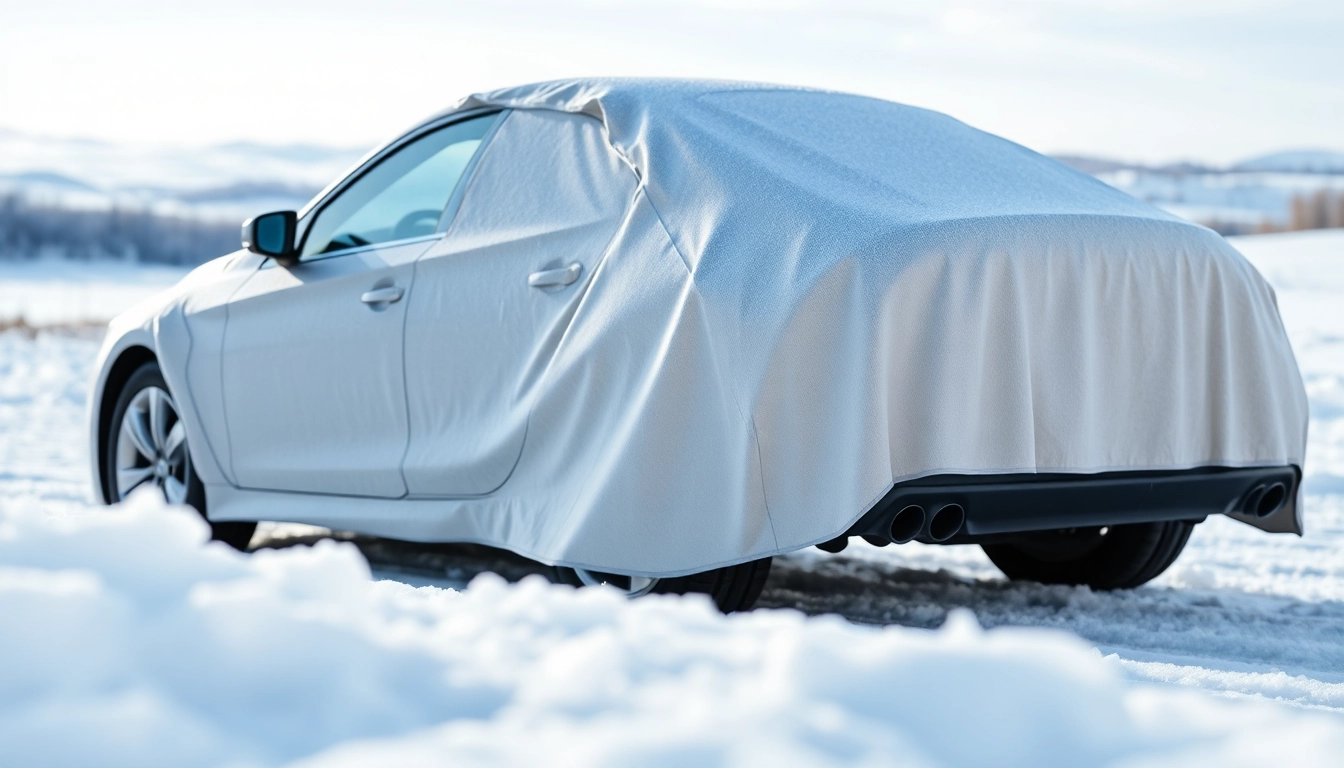
Understanding PPF Winter Road Salt Protection
Winter can be a challenging time for vehicle owners, particularly in areas where road salt is used to combat icy conditions. This substance, while effective for safety, can wreak havoc on your vehicle’s exterior. To combat this, many car owners are turning to PPF winter road salt protection, which serves as a protective barrier against salt damage. In this article, we’ll explore the vital role of Paint Protection Film (PPF) during winter months, how it works, and why it’s essential for maintaining your vehicle’s appearance and longevity.
What is PPF?
PPF, or Paint Protection Film, is a thermoplastic urethane film applied to a vehicle’s painted surfaces to protect against scratches, chips, and other forms of damage. It acts as a shield, absorbing impacts that could potentially harm your car’s finish. Available in various thicknesses and finishes, PPF blends seamlessly with factory paint, making it a popular choice among car enthusiasts and everyday drivers alike.
Importance of Winter Protection
During winter, the use of road salt becomes paramount for public safety, but this same salt can accelerate corrosion and deterioration of a vehicle’s body, leading to costly repairs. As the temperatures drop and the salt concentration increases, the risk of damage also heightens. Applying PPF can significantly mitigate these risks, adding an extra layer of protection that keeps your vehicle looking new while extending its functional lifespan.
How PPF Works Against Salt Damage
PPF is designed to absorb the impact from road debris and chemical agents such as salt. It adheres firmly to the vehicle’s paintwork, creating a resilient barrier. The film is engineered to self-heal minor scratches, which means small abrasions caused by road salt and other debris will disappear when exposed to heat. This active protection ensures that your vehicle remains intact and retains its aesthetic appeal even in the harshest winter conditions.
Choosing the Right PPF for Your Vehicle
Selecting the appropriate PPF for your vehicle is crucial for maximizing protection and ensuring optimal aesthetics. With numerous brands and styles available, understanding the options can help you make an informed decision.
Types of PPF Available
There are generally two types of PPF available on the market: self-healing and non-self-healing films. Self-healing PPF contains special properties that allow minor scratches to disappear over time, keeping the surface smooth. Non-self-healing films, while often more cost-effective, do not offer the same longevity concerning appearance. Additionally, some films come with varying levels of gloss and matte finishes, allowing you to match your vehicle’s current look.
Key Features to Consider
- Thickness: Thicker films tend to offer better protection against wear and tear but are often more expensive.
- Durability: Evaluate warranty periods, which can range from 5 to 10 years; a longer warranty often indicates higher quality.
- Clarity: Make sure the film is designed to be nearly invisible so that it does not detract from your car’s appearance.
- UV Protection: Some types of PPF offer protection against UV rays that can cause fading and discoloration over time.
Comparing Cost vs. Value
When considering PPF, it’s essential to weigh the cost against the value it provides. While the initial installation of PPF can be an investment—ranging from $500 to $2,000 depending on quality and vehicle type—the long-term benefits of corrosion protection and maintaining vehicle aesthetics can significantly outweigh this upfront expense. In most cases, investing in a high-quality PPF can help preserve your vehicle’s resale value, making it a smart choice for any car owner.
Applying PPF for Optimal Protection
Understanding the application process for PPF is essential to get the best results from your protective film. Whether you choose to install it yourself or have a professional do it for you, knowing the steps involved can make the process smoother.
DIY vs. Professional Installation
While some car enthusiasts may choose a DIY installation to save costs, professional installation often yields better results due to the tools and experience that professionals bring to the table. Mistakes can lead to bubbling, peeling, or misalignment, which compromise the protection provided by the film. If you opt for DIY, ensure you have the right tools, such as a squeegee, heat gun, and cleaning materials to prep your vehicle properly.
Step-by-Step Installation Guide
- Preparation: Thoroughly wash and dry the vehicle to remove all dirt, grime, and wax. Any particles left can lead to imperfections under the film.
- Cutting the Film: Measure and cut the PPF to the appropriate size, allowing for some overlap to cover edges.
- Application: Using a spray solution, wet the surface of the vehicle and the adhesive side of the film. Position the PPF carefully and use a squeegee to remove air bubbles.
- Final Touches: Trim any excess film using a sharp blade and use a heat gun to ensure adhesion and self-healing properties work effectively.
Maintenance Tips for Longevity
To maintain the protective qualities of your PPF, regular cleaning is essential. Use a pH-balanced soap and a soft sponge, avoiding abrasive materials. Waxing your PPF every six months can enhance its appearance and add an extra layer of protection against environmental factors. Furthermore, parking in shaded areas when possible can help prevent UV damage.
Environmental Impact of Road Salt and PPF
Understanding the environmental implications of road salt use and how PPF can help is crucial for those who want to align vehicle protection with eco-awareness.
Damage to Vehicles and Environment
Road salt not only accelerates the deterioration of vehicles but also poses significant risks to the environment. It can contaminate soil and water supplies, leading to detrimental effects on local ecosystems. This degradation can sometimes outweigh the benefits of road safety, leading to a pressing need for protective solutions like PPF.
Eco-Friendly PPF Options
As awareness of sustainability grows, eco-friendly PPF options have emerged in the market. These films are often made with biodegradable materials or are designed to be applied without harmful chemicals. Choosing these options not only protects your vehicle but also aligns your vehicle care practices with a more sustainable approach.
Reducing Your Carbon Footprint
Protecting your vehicle with PPF can contribute to a reduced carbon footprint over time. By preventing long-term damage that would require extensive repairs or repainting, you minimize the production of waste and emissions associated with manufacturing. Moreover, when vehicles remain in good condition, their resale values are retained, further contributing to environmental benefits by promoting reuse instead of new purchases.
Frequently Asked Questions about PPF Winter Road Salt Protection
How long does PPF last in winter conditions?
PPF can last between 5 to 10 years, offering excellent protection throughout winter.
Can PPF be removed later?
Yes, PPF can be safely removed without damaging your vehicle’s paint.
Does PPF affect the vehicle’s appearance?
Quality PPF is nearly invisible, maintaining the vehicle’s original look while providing protection.
Is PPF resistant to scratches and chips?
Yes, a good quality PPF offers strong resistance against scratches and chips from road debris.
How much does PPF installation cost?
Costs vary widely based on vehicle type and product quality, typically ranging from $500 to $2,000.